NADCA Certified Duct Cleaning Houston, TX | Pro-Fresh Houston
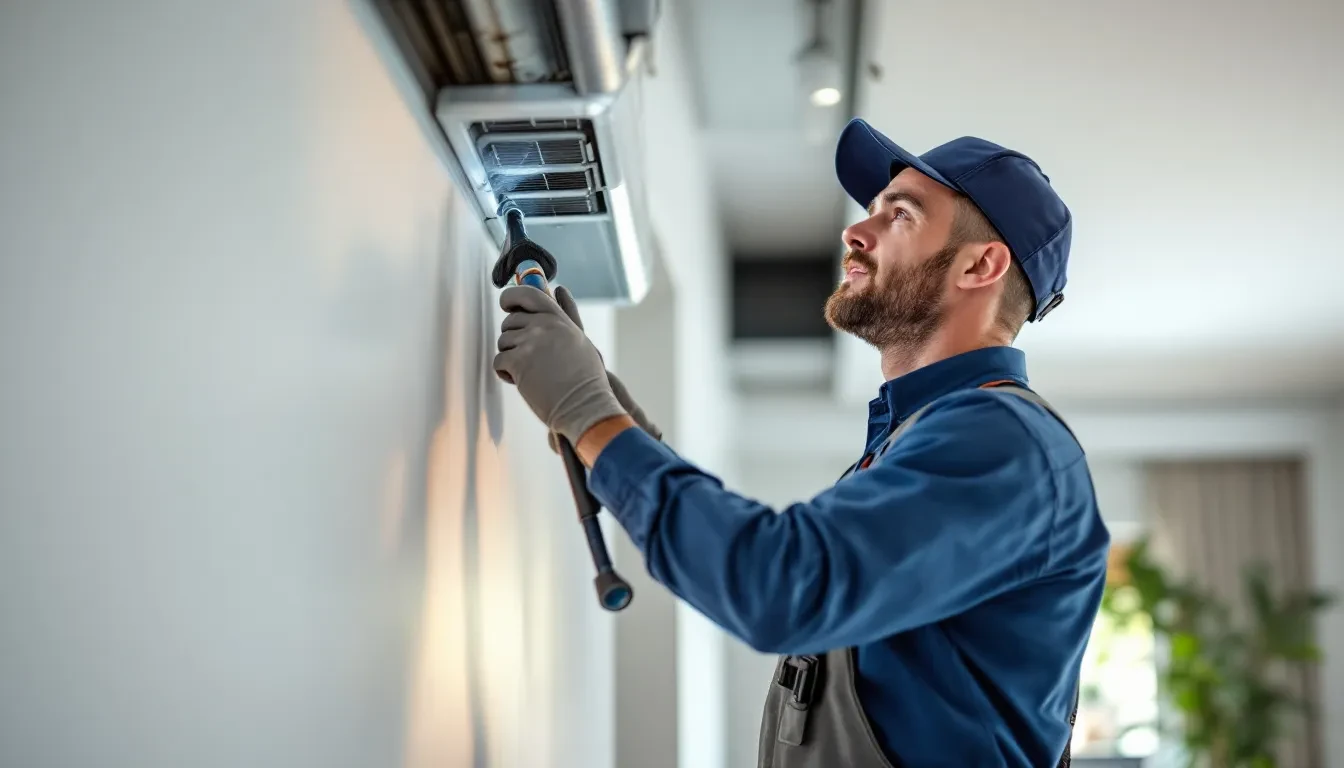
Houston's heat and humidity create conditions that few other cities match. That combination pushes your HVAC system hard for most of the year, and it creates the perfect environment for dust, allergens, and mold to accumulate inside your air ducts. Professional duct cleaning matters here more than almost anywhere else in the country, and the NADCA certified standard is what separates a thorough, documented clean from a rushed job that leaves your system just as compromised as before. Pro-Fresh Houston holds both NADCA and IICRC certification, serving homeowners and businesses across Houston, Katy, Spring, Pearland, Humble, Missouri City, Sugar Land, Tomball, Cypress, The Woodlands, Alvin, Bellaire, Richmond, and Pasadena.
Key Takeaways
- NADCA certification requires technicians to follow the ACR (Assessment, Cleaning, and Restoration) standard, a documented process that goes far beyond basic vacuuming.
- Houston's high humidity accelerates mold and dust buildup inside ducts, making professional cleaning especially important for local homeowners and businesses.
- Pro-Fresh Houston is NADCA and IICRC certified, and you can verify any company's certification status directly through the official NADCA member directory at NADCA.com.
- Routine certified duct cleaning can extend HVAC system lifespan, reduce energy bills, and improve indoor air quality for allergy sufferers, pet owners, and families with young children.
- Dryer vent cleaning is a frequently overlooked fire and health risk that pairs naturally with air duct cleaning services.
What Does NADCA Certified Air Duct Cleaning Mean?

NADCA stands for the National Air Duct Cleaners Association. It is the industry's primary standard-setting body, and its certification program is built around a specific technical standard called ACR, which stands for Assessment, Cleaning, and Restoration of HVAC Systems.
What the ACR Standard Actually Requires
Under the ACR standard, a certified technician must do more than run a vacuum through your vents. The standard requires a documented assessment of the entire HVAC system before work begins. Technicians must inspect the ductwork, identify contamination levels, and document conditions. Only then does the physical cleaning begin, using methods that put the system under negative pressure so dislodged debris is captured rather than redistributed into your living space. After cleaning, the technician must verify that contamination has been reduced to an acceptable level before the job is considered complete.
How to Verify NADCA Certification
You do not have to take any company's word for it. NADCA maintains a public member directory at NADCA.com where you can search by company name or zip code to confirm active membership and certification status. If a company claims NADCA certification but does not appear in that directory, treat the claim with serious skepticism.
Why Houston Homes Need Professional Duct Cleaning

The Houston climate is genuinely unusual. Humidity regularly stays above 70 percent for months at a time, and the city's long cooling season means air conditioners run almost continuously from spring through fall. That sustained operation creates specific duct contamination problems that homeowners in drier climates rarely face.
Humidity and Mold: Houston's Biggest Duct Problem
When warm, humid air contacts the cooler surfaces inside your ductwork, condensation forms. Over time, that moisture creates conditions where mold can establish itself inside the system. The EPA has noted that mold in HVAC systems can distribute spores throughout a home every time the system runs, affecting indoor air quality in every room. In Houston, this is not a theoretical risk. It is a common finding during professional inspections, especially in homes that have experienced any flooding or that run their systems at very low thermostat settings.
Dust and Debris Accumulation in Houston
Beyond mold, Houston's mix of urban particulates, pollen from the Gulf Coast's heavy plant growth, and construction dust from the region's ongoing development all find their way into duct systems. Homes near high-traffic corridors in areas like Pasadena, Humble, and Spring can accumulate debris faster than the national average suggests.
Signs Your Houston Home's Air Ducts Need Cleaning
Many homeowners wait for a visible problem before scheduling a duct cleaning service. But by the time issues become obvious, contamination is typically well established. Knowing the early warning signs saves money and protects health.
Visible and Sensory Warning Signs
- Visible dust or debris around vent covers, especially shortly after dusting or vacuuming.
- Musty or stale odors when the HVAC system first turns on, which can indicate mold or accumulated organic debris.
- Uneven airflow between rooms, suggesting blockages or buildup in specific duct branches.
- Increased allergy or asthma symptoms among household members, particularly when the system is running.
- Dust settling quickly on furniture and surfaces even after recent cleaning.
Situation-Based Triggers
- After a home renovation or remodel, which generates significant particulate debris.
- Following any water intrusion, flooding, or roof leak that may have introduced moisture into the duct system.
- When moving into a home where the duct cleaning history is unknown.
- If pest activity has been found or suspected inside the ductwork.
- After a period of extended vacancy when the system was not regularly maintained.
Pro-Fresh Houston's NADCA Certified Cleaning Process
Because Pro-Fresh Houston follows the NADCA ACR standard, the cleaning process is structured and documented at each stage. Here is what that looks like in practice.
Step 1: Free Inspection and System Assessment
Every job starts with a free inspection. A certified technician reviews the full HVAC system, including supply and return ducts, the air handler, coils, and registers. The goal is to document existing contamination levels and identify any problem areas, such as mold, debris blockages, or damaged duct sections, before recommending a scope of work. You will not receive a cleaning quote until the technician has actually seen your system.
Step 2: Setting the System to Negative Pressure
Before any agitation begins, the duct system is put under negative pressure using a high-powered vacuum collection unit. This is critical. Without negative pressure, agitating debris inside ducts sends it back into your living space rather than capturing it. This step is what separates NADCA certified cleaning from discount services that skip it.
Step 3: Agitation and Full Debris Removal
Technicians use a combination of mechanical agitation tools, including rotary brushes and compressed air whips, to dislodge accumulated debris from all duct surfaces. Both supply and return sides of the system are treated. The dislodged material is drawn into the negative pressure collection system and removed from the home.
Step 4: Component Cleaning and Final Verification
Beyond the ducts themselves, certified cleaning includes attention to the air handler, blower motor, coil surfaces, and drain pan where applicable. After cleaning, the technician verifies that contamination levels have been reduced to the ACR standard before the job is closed out. You receive documentation of the completed service.
NADCA Certified vs. Non-Certified Duct Cleaning: What's the Difference?
The Houston market, like most major metros, has no shortage of companies offering duct cleaning services. The price range is wide, and so is the quality gap. Understanding what separates certified from non-certified providers protects you from common scams.
Common Houston Duct Cleaning Scams to Watch For
- Bait-and-switch pricing: A company advertises a very low flat rate, then arrives and claims your system requires expensive add-ons to complete the work.
- No negative pressure equipment: Some operations use a standard shop vacuum rather than a truck-mounted or portable negative pressure unit, which does not create enough suction to properly capture debris.
- Fabricated contamination claims: A technician shows you alarming photos of mold or debris that may not actually be from your system to upsell additional services.
- Unverifiable certification claims: A company claims to be NADCA certified but cannot be found in the NADCA member directory.
What Certification Actually Guarantees
NADCA certified companies are bound by a code of ethics and must maintain their certification through ongoing education. Technicians must pass the Air Systems Cleaning Specialist (ASCS) exam to earn certification. That exam covers HVAC system design, contamination assessment, and proper cleaning methodology. A non-certified company has no comparable accountability framework.
How Duct Cleaning Improves Indoor Air Quality in Houston
Indoor air quality is a measurable condition, not just a marketing phrase. The EPA has reported that indoor air can be two to five times more polluted than outdoor air, partly because modern homes are built to be airtight, which traps contaminants inside. In Houston, outdoor allergens and humidity compounds this problem.
Benefits for Allergy Sufferers
Houston consistently ranks among the most challenging cities in the country for allergy sufferers, due to its year-round growing season and Gulf Coast humidity. Pollen, mold spores, and dust mite debris accumulate in duct systems and recirculate through the home with every HVAC cycle. Professional cleaning removes the reservoir of these triggers, which can produce noticeable improvements in symptoms for sensitive individuals. Families with young children or elderly members who spend significant time indoors see particularly clear benefits from cleaner air.
Benefits for Pet Owners
Pet dander is one of the most common indoor allergens, and it accumulates in duct systems rapidly in homes with cats or dogs. Even homeowners without pet allergies benefit from removing dander buildup, as it contributes to overall particulate load in the air and can combine with other allergens to increase sensitivity reactions.
HVAC Efficiency and System Lifespan
Debris buildup inside ducts restricts airflow, which forces your HVAC system to work harder to maintain set temperatures. Over time, that added strain accelerates wear on the blower motor and other mechanical components. Clean ducts allow the system to operate within its designed airflow parameters, which can reduce energy consumption and extend the useful life of the equipment. For Houston homeowners who run their systems heavily for much of the year, this is a meaningful financial benefit.
Dryer Vent Cleaning: The Service Houston Homeowners Often Forget
Dryer vent cleaning does not get the same attention as air duct cleaning, but it carries a more immediate safety risk. The U.S. Fire Administration reports that clothes dryers cause thousands of residential fires each year, and failure to clean the dryer vent is the leading cause.
Why Dryer Vents Clog in Houston Homes
Lint bypasses the dryer's internal filter on every cycle and accumulates inside the vent line. In Houston, where high humidity affects airflow through the vent, this accumulation can happen faster than in drier climates. Vents that run long distances or include multiple bends, common in many Houston-area home configurations, are especially prone to blockages.
Signs Your Dryer Vent Needs Cleaning
- Clothes take more than one cycle to dry completely.
- The exterior of the dryer feels very hot during operation.
- A burning smell occurs when the dryer is running.
- The exterior vent flap does not open properly during operation.
Pro-Fresh Houston provides dryer vent cleaning as a standalone service or combined with air duct cleaning. Scheduling both together is efficient and ensures your home's ventilation systems are fully addressed in a single visit.
What to Expect: Pricing and Free Inspection at Pro-Fresh Houston
Transparent pricing is something many Houston duct cleaning companies avoid publishing, which often signals the bait-and-switch approach described above. Here is what you should understand about how duct cleaning is typically priced in the Houston market.
Factors That Affect Duct Cleaning Cost
- System size: The number of vents and linear footage of ductwork is the primary driver of cost. A small home in Bellaire will cost less than a large property in Sugar Land or The Woodlands.
- Level of contamination: Heavy mold growth or debris accumulation requires more time and specialized treatment, which affects pricing.
- Access difficulty: Ductwork in attics, crawl spaces, or complex routing configurations takes more time to clean properly.
- Additional services: Sanitizing treatments, coil cleaning, or dryer vent cleaning add to the total.
The Free Inspection Advantage
Pro-Fresh Houston offers a free inspection before any cleaning work begins. This means you receive an accurate, system-specific quote rather than a generic number pulled from a price sheet. The inspection also allows the technician to identify any issues that standard pricing does not cover, so there are no surprises once the work starts. To schedule your free inspection, visit the contact page or explore the full services list to learn more about what is included.
Why Houston Homeowners Choose Pro-Fresh
Pro-Fresh Houston holds both NADCA and IICRC certification, which means the team meets two separate industry standards for air system and surface cleaning. The IICRC (Institute of Inspection, Cleaning, and Restoration Certification) is the parallel credential for carpet, upholstery, and stone cleaning, meaning Pro-Fresh can handle cleaning needs across the full home in a single relationship.
Eco-Friendly Products and Professional Standards
Pro-Fresh Houston uses eco-friendly cleaning products throughout its service lines. For duct cleaning, this matters during the sanitizing phase, when antimicrobial or deodorizing treatments are applied to duct surfaces. Choosing products that are effective without harsh chemical residue is important in a system that circulates air through every room your family occupies.
Custom Schedules for Commercial Clients
Commercial buildings in Houston, including office spaces, medical facilities, and multi-tenant properties, have HVAC systems that accumulate contamination faster than residential systems due to higher occupancy and traffic. Pro-Fresh Houston works with office managers and facility directors to build custom cleaning schedules that maintain NADCA standards year-round without disrupting normal business operations. Commercial cleaning, janitorial services, and carpet cleaning can be bundled with duct cleaning services under a single maintenance agreement.
Frequently Asked Questions About NADCA Certified Duct Cleaning in Houston
What does it mean for a duct cleaning company to be NADCA certified?
NADCA certification means the company employs at least one technician who has passed the Air Systems Cleaning Specialist exam, which covers HVAC system design, contamination assessment, and proper cleaning methodology. Certified companies are also required to follow the ACR standard, which mandates a documented assessment before cleaning and verification of results after cleaning. It is the most credible independent credential in the duct cleaning industry.
How do I verify that Pro-Fresh Houston is NADCA certified?
You can verify any company's NADCA certification status by searching the official member directory at NADCA.com. Search by company name or zip code. If a company appears in the directory with an active status, its certification is current. Pro-Fresh Houston holds active NADCA certification.
How often should I have my air ducts cleaned in Houston, TX?
NADCA recommends having your air ducts inspected annually and cleaned as needed based on contamination levels. In Houston, where high humidity and heavy HVAC use accelerate buildup, many homeowners find that cleaning every three to five years is appropriate under normal conditions. Homes with pets, recent renovations, water damage history, or occupants with allergies or respiratory conditions may benefit from more frequent service.
Does Pro-Fresh Houston offer a free inspection before cleaning?
Yes. Pro-Fresh Houston provides a free inspection of your HVAC and duct system before any cleaning work is recommended or priced. The inspection allows the technician to assess actual contamination levels and give you an accurate quote based on your specific system, not a generic estimate.
Can dirty air ducts cause mold problems in Houston homes?
Yes. Houston's humidity creates conditions where moisture can condense inside ductwork, particularly in systems that run at low thermostat settings for extended periods. That moisture, combined with organic debris accumulating in the ducts, creates conditions where mold can establish and grow. Once mold is present in the duct system, every HVAC cycle distributes spores throughout the home. NADCA certified cleaning addresses existing mold and reduces the conditions that support its return.
How long does a professional NADCA certified duct cleaning take?
Most residential duct cleaning jobs take between two and four hours, depending on the size of the home, the number of vents, the length and routing of the ductwork, and the level of contamination found during the inspection. Larger homes or systems with significant buildup may take longer. Your technician can give you a time estimate after completing the free inspection.
What is the difference between NADCA certified and non-certified duct cleaning?
NADCA certified cleaning requires a documented assessment, negative pressure containment during cleaning, proper agitation tools, and verification of results. Non-certified cleaning has no such requirements. A non-certified company may use inadequate equipment, skip critical steps, or fail to verify that contamination was actually reduced. Non-certified services also have no independent accountability framework, meaning if the job is done poorly, you have no certification body to report the issue to.
Does Pro-Fresh Houston also clean dryer vents?
Yes. Dryer vent cleaning is one of Pro-Fresh Houston's core services. It can be scheduled as a standalone service or combined with air duct cleaning for a single visit. The service removes lint and debris from the full length of the dryer vent line, restoring proper airflow and reducing fire risk.
Will duct cleaning help with allergies and indoor air quality?
Professional duct cleaning removes accumulated allergens including pollen, dust mite debris, pet dander, and mold spores from the duct system, which reduces the amount of those particles that recirculate through your home. For allergy sufferers in Houston, where outdoor allergen loads are high year-round, this can produce meaningful improvements in indoor air quality and symptom frequency. Results vary depending on the individual and the overall cleanliness of the home environment.
How much does NADCA certified duct cleaning cost in Houston?
Pricing depends on system size, contamination level, access difficulty, and any additional services requested. Houston market pricing for a standard residential duct cleaning by a certified provider generally reflects the cost of proper equipment and trained labor, and is higher than budget non-certified services for good reason. The best way to get an accurate number for your home is to schedule a free inspection with Pro-Fresh Houston, which allows for a quote based on actual conditions rather than a flat rate that may not reflect what your system needs.
Ready to schedule your free inspection? Pro-Fresh Houston's NADCA and IICRC certified team serves Houston, Katy, Spring, Pearland, Humble, Missouri City, Sugar Land, Tomball, Cypress, The Woodlands, Alvin, Bellaire, Richmond, Pasadena, and the surrounding area. Whether you need air duct cleaning, dryer vent cleaning, or a full-building commercial cleaning program, the process starts with an honest assessment of your actual system. Visit profreshhouston.com or go to our contact page to schedule your free inspection today.
Published by Pro-Fresh Houston. Content reflects NADCA and EPA guidelines for air duct cleaning and indoor air quality. Review and update schedule: annually or following significant changes to NADCA ACR standards.