
Published by Pro-Fresh Houston | Last Updated: June 2025
Dryer Vent Fire Prevention Houston: Stay Safe
Every year, thousands of residential fires across the United States start in an appliance that most homeowners rarely think about: the clothes dryer. In Houston, where humid Gulf Coast air, dense townhome communities, and year-round laundry demands create a uniquely elevated risk, dryer vent fire prevention is not optional. It is essential. According to the National Fire Protection Association (NFPA), dryers and washing machines account for approximately 15,970 home structure fires annually in the U.S., with the leading cause being a failure to clean the dryer vent. At Pro-Fresh Houston, our professional technicians service dryer vent systems across Houston, Katy, Spring, Pearland, Humble, Missouri City, Sugar Land, Tomball, Cypress, The Woodlands, Alvin, Bellaire, Richmond, and Pasadena. We see the consequences of neglect firsthand, and we are committed to helping every Houston homeowner understand the real risk hiding inside their walls.
Key Takeaways
- The NFPA reports that failure to clean dryer vents is the leading cause of dryer fires in U.S. homes, making routine professional dryer vent cleaning a critical safety measure.
- Houston's high humidity accelerates lint moisture retention inside dryer ducts, increasing blockage risk faster than in drier climates.
- Warning signs such as clothes taking two or more cycles to dry, a burning smell, or a hot dryer exterior should never be ignored.
- Flexible foil venting material commonly found in older Houston homes poses a significantly higher fire risk than rigid metal ducting approved by current building codes.
- Documented professional dryer vent inspections and cleanings can support homeowner insurance claims after a fire loss.
How Serious Is the Dryer Fire Risk in Houston Homes?

The fire risk posed by clogged dryer vents is well-documented and alarmingly common. The U.S. Consumer Product Safety Commission (CPSC) estimates that dryer fires cause approximately 51 deaths, 380 injuries, and $236 million in property damage each year in the United States. These are not isolated incidents involving neglected appliances. Many of these fires happen in well-maintained homes where owners simply did not know that cleaning the lint trap after every load is not enough.
Houston's Housing Density Multiplies the Risk
Houston's rapid residential growth has produced thousands of townhomes, garden-style apartments, and condominium complexes where multiple dryer units share a single exhaust duct stack. In these multi-family configurations, lint from one unit can accumulate and restrict airflow for an entire building. When one vent becomes clogged, the heat and combustible material built up inside can ignite and spread quickly through shared walls. Our Pro-Fresh Houston technicians have inspected shared vent systems in Midtown, Montrose, and the Heights where lint deposits were so severe that dryers in upper-floor units had almost no functional exhaust pathway at all.
Dryer Fires and the Insurance Equation
Many Houston homeowners do not realize that their insurance policy may limit or deny coverage for a dryer fire if there is no documented history of professional dryer vent maintenance. Insurers increasingly treat neglected vents as a form of preventable negligence. Keeping a record of your annual professional cleaning, including the technician's report and service date, creates a paper trail that can be critical when filing a claim. Pro-Fresh Houston provides a written service summary after every inspection and cleaning visit for exactly this reason.
How Lint Turns Into a Fire Hazard Inside Your Dryer Vent
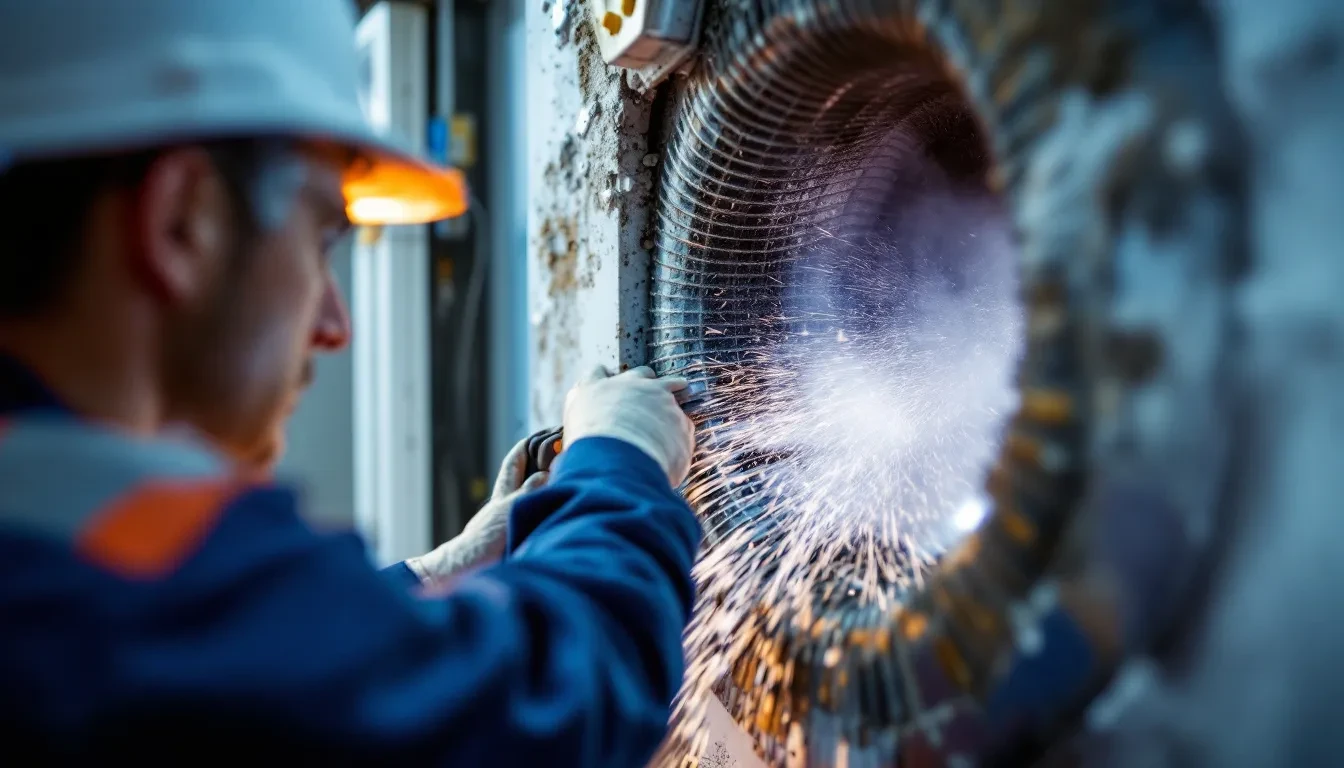
Lint is composed of tiny fibers shed from clothing, towels, and bedding during the drying cycle. It is extremely lightweight, highly porous, and, most importantly, extremely flammable. While the lint trap inside your dryer catches a significant portion of these fibers, a substantial amount bypasses the screen and enters the exhaust duct system. Over time, this material coats the interior walls of the duct, reducing the diameter of the airflow pathway and creating a dense, combustible lining that can ignite from residual heat alone.
The Role of Restricted Airflow
When airflow through a duct is restricted by lint buildup, the dryer's heating element must work harder and longer to remove moisture from a load of laundry. This generates sustained high temperatures inside the duct and the dryer cabinet itself. If the internal temperature exceeds the ignition point of the accumulated lint, typically around 400 degrees Fahrenheit, a fire can start. The fire then has a direct fuel pathway through the lint-coated duct all the way to the exterior vent opening on the outside of your home.
Vent Material Matters: Foil vs. Rigid Metal
Not all dryer duct material is created equal, and this distinction matters enormously for Houston homeowners. Flexible foil ducting, still found in a significant number of older Houston homes and apartments, is considered a serious fire hazard by fire safety professionals. Its accordion-style ridges trap lint at every fold, and the thin foil material offers little resistance once ignited. Rigid metal ducting, by contrast, has smooth interior walls that allow airflow to carry lint toward the exterior rather than letting it settle. Current Houston building codes and NFPA 211 guidelines call for rigid or semi-rigid metal duct material in all dryer exhaust systems. If your home still uses flexible foil tubing, replacing it should be your first priority before your next professional dryer vent cleaning appointment.
Why Houston's Climate Makes Dryer Vent Fires More Likely

Houston consistently ranks as one of the most humid major cities in the United States. Average relative humidity levels hover between 75 and 90 percent throughout the summer months, and even winter months rarely drop below 60 percent humidity. This environmental reality has a direct and underappreciated effect on dryer vent safety.
Humidity, Lint Moisture, and Faster Accumulation
When the air drawn into a dryer to carry away moisture is already saturated with humidity, the drying process becomes less efficient. Laundry takes longer to dry, and the dryer runs more cycles to achieve the same result. More cycles mean more lint shed from fabrics, more lint entering the exhaust duct, and faster overall accumulation. Damp lint also compresses and adheres to duct walls more aggressively than dry lint, making manual removal more difficult and professional cleaning equipment more necessary.
Seasonal Patterns in Houston Dryer Usage
Houston homeowners run their dryers year-round, but usage patterns shift by season in ways that affect vent maintenance schedules. Summer humidity causes laundry to feel damp even after removing it from the washer, prompting longer and more frequent drying cycles. Spring storm season means more wet athletic wear, muddy children's clothing, and pet bedding cycling through the dryer. Hurricane preparedness often involves washing and drying large quantities of emergency supplies and bedding in a short window. Each of these seasonal factors accelerates lint buildup inside your dryer vents and makes annual professional inspection especially important in the Gulf Coast region.
The Exterior Vent Challenge in Houston
The exterior vent opening on the outside wall of your home is the final escape point for hot, lint-laden air. In Houston's climate, this opening is regularly exposed to driving rain, insects, and debris. Bird nests are a surprisingly common blockage cause in the Spring, Humble, and Tomball areas where wooded lots surround residential neighborhoods. A blocked exterior vent creates the same dangerous restriction as internal lint buildup, and it is often invisible from inside the home. Every professional dryer vent cleaning should include a thorough inspection and clearing of the exterior vent cap.
Warning Signs Your Dryer Vent Is Dangerously Clogged
Your dryer will usually give you warning before a fire occurs. Recognizing these signals early and acting on them can prevent a disaster.
Performance and Smell Indicators
- Clothes take two or more full cycles to dry completely. This is one of the most reliable indicators of restricted airflow through a clogged vent.
- The dryer exterior or the clothes themselves feel unusually hot at the end of a cycle. Heat that cannot escape through the duct accumulates inside the appliance cabinet.
- A burning smell during or after the drying cycle. This odor often indicates that lint is already scorching against a hot surface inside the duct.
- The laundry room feels humid or stuffy during the drying cycle. Moist exhaust air being pushed back into the room instead of escaping through the exterior vent is a clear airflow problem.
- The lint trap fills unusually fast. When the duct is clogged, lint that would normally exhaust outward is forced back toward the trap.
- The exterior vent flap does not open during operation. Step outside while the dryer runs. If the flap on your exterior vent is not moving or is barely cracked open, airflow is severely compromised.
7-Step Dryer Vent Fire Prevention Checklist for Houston Homeowners
Use this checklist to establish a proactive dryer vent safety routine tailored to Houston's climate and housing conditions.
- Clean the lint trap after every single load. This is the baseline habit that reduces how much lint enters the exhaust duct in the first place.
- Wash the lint trap screen monthly. Dryer sheets leave a residue that clogs the screen's mesh even when visible lint is removed. Hold the screen under running water. If water pools on the surface instead of draining through, it needs scrubbing with a soft brush.
- Inspect the duct connection behind the dryer twice yearly. Pull the dryer away from the wall and look at the connection point. Lint accumulation there is common and easy to address with a vacuum.
- Verify your duct material is rigid or semi-rigid metal. If it is flexible foil, schedule a duct replacement during your next professional dryer vent cleaning appointment.
- Check the exterior vent cap every season. Clear any debris, nesting material, or insect buildup from the flap and the surrounding area.
- Never run the dryer while sleeping or away from home. A dryer fire can develop rapidly. Having someone alert in the home allows for immediate response.
- Schedule a professional dryer vent inspection and cleaning at least once per year, or every six months if your household runs the dryer daily or you have a long duct run exceeding 25 feet.
DIY Cleaning vs. Professional Dryer Vent Cleaning: Know the Difference
Retail dryer vent cleaning brush kits are widely available, and many Houston homeowners attempt to maintain their own vents between professional visits. While this effort is commendable and better than no cleaning at all, it is important to understand what DIY cleaning can and cannot accomplish.
What a Homeowner Can Realistically Do
A standard brush kit with flexible rods can reach the first few feet of duct from the dryer connection point. For homes with short, straight duct runs, this may be sufficient to remove loose surface lint. Vacuuming around the dryer cabinet interior and the lint trap housing is also achievable without special equipment.
What Requires Professional Equipment and Training
Most Houston homes have duct runs that extend 10 to 30 feet or more through interior walls before reaching the exterior. These long runs often include one or more 90-degree elbows that collect lint and are completely inaccessible to a standard brush kit. Professional dryer vent cleaning uses high-powered rotary brush systems combined with industrial vacuum extraction to clean the full length of the duct, including bends and transitions. Technicians also have the diagnostic tools to measure airflow before and after cleaning, providing objective confirmation that the vent is clear. Attempting to push a brush through a severely clogged duct without simultaneous extraction can actually compact the blockage further, making the problem worse.
For a full overview of Pro-Fresh Houston's professional cleaning services, including our dryer vent and air duct cleaning offerings, visit our services page.
What to Expect During a Professional Dryer Vent Inspection and Cleaning
Transparency about the service process builds trust, and we want every Houston homeowner to know exactly what happens when a Pro-Fresh Houston technician arrives at their door.
The Pro-Fresh Houston Service Visit: Step by Step
- Initial consultation and visual inspection. The technician begins by discussing your dryer's recent performance, any warning signs you have noticed, and the age of the appliance. A visual inspection of the dryer connection, the accessible duct run, and the exterior vent cap follows.
- Airflow baseline measurement. Using a calibrated anemometer placed at the exterior vent opening, the technician records the initial airflow velocity. This gives a quantifiable starting point for comparison after cleaning.
- Full-length rotary brush cleaning. The technician inserts a professional rotary brush system into the duct from both the dryer end and the exterior end, working through the full length of the run. Simultaneous high-powered vacuum extraction captures all dislodged lint, preventing it from entering the home or the appliance.
- Duct material and connection inspection. The technician checks for foil duct material that should be replaced, loose connections, duct damage, or improper vent cap styles that restrict airflow.
- Post-cleaning airflow measurement. A second airflow reading confirms the improvement. Customers consistently see dramatic increases in measured airflow velocity after a thorough cleaning.
- Written service summary. Every Pro-Fresh Houston visit concludes with a written report documenting the condition found, work performed, and any recommendations for follow-up repairs or duct replacement. This document is your record for insurance purposes and for scheduling future maintenance.
One of our recent customers in Sugar Land described her experience this way: "I had no idea my dryer vent was so blocked. The technician showed me the lint he removed and measured how much the airflow improved. My dryer now dries a full load in one cycle for the first time in years. I feel so much safer knowing the risk is gone."
To schedule your inspection, visit our contact page or call us directly. We serve all major Houston neighborhoods and surrounding communities.
The Real Cost of Prevention vs. the Cost of a Dryer Fire
Professional dryer vent cleaning in the Houston area typically costs between $100 and $175 for a standard single-family home service. For townhomes or homes with long duct runs, the cost may be slightly higher. When measured against the potential consequences of a dryer fire, this annual investment is one of the most cost-effective safety decisions a homeowner can make.
The True Financial and Human Cost of a Dryer Fire
The CPSC estimates average property damage of $236 million annually from dryer fires nationally. On an individual claim basis, a dryer fire that spreads to wall cavities or an attic can result in structural damage exceeding $50,000 to $150,000 or more. Beyond the financial cost, the displacement, emotional stress, and potential physical harm associated with a home fire are incalculable. Insurance deductibles, temporary housing, and lost personal property add further financial burden, particularly if a claim is disputed due to lack of documented maintenance.
The ROI of Regular Cleaning
Beyond fire prevention, a clean dryer vent reduces the energy required to dry each load of laundry. The U.S. Department of Energy estimates that a clogged vent can increase drying time and energy consumption by as much as 30 percent. For a Houston household running the dryer five to seven times per week throughout the year, this adds up to meaningful savings on monthly utility bills that partially offset the cost of annual professional dryer vent cleaning.
Learn more about how Pro-Fresh Houston's educational resources can help you maintain a safer, more efficient home environment.
Frequently Asked Questions About Dryer Vent Fire Prevention in Houston
Is your dryer taking 2 to 3 cycles to dry clothes completely?
Yes, this is one of the clearest warning signs of a clogged dryer vent. When airflow is restricted by lint buildup inside the duct, the dryer cannot expel moist air efficiently. The heating element runs longer trying to compensate, but without adequate exhaust, the moisture has nowhere to go. If your dryer consistently requires two or three cycles to dry a standard load, schedule a professional dryer vent cleaning as soon as possible. Continuing to run the appliance in this condition significantly increases fire risk.
How often should Houston homeowners schedule professional dryer vent cleaning?
The general recommendation for most households is once per year. However, Houston's high humidity and longer drying cycles mean that many local homes benefit from cleaning every six months. Households with large families, those who dry heavy items like comforters or pet bedding frequently, and any home with a duct run exceeding 25 feet should err on the side of twice-yearly service. Multi-family units and townhomes with shared vent stacks may require even more frequent attention.
Can I clean my dryer vent myself, or do I need a professional?
You can perform basic maintenance such as cleaning the lint trap after every load, vacuuming around the dryer connection, and inspecting the exterior vent cap. However, a DIY brush kit cannot fully clean a long duct run with bends, cannot measure airflow to confirm effectiveness, and cannot identify duct damage or improper materials. For complete dryer vent safety, professional cleaning with industrial rotary brush and vacuum extraction equipment is strongly recommended at least once per year.
What are the most common warning signs of a blocked dryer vent?
The most common warning signs include: clothes taking multiple cycles to dry, a burning smell during or after a cycle, the dryer exterior or laundry feeling excessively hot, the laundry room feeling humid during operation, the lint trap filling faster than usual, and the exterior vent flap failing to open during dryer operation. Any one of these signs warrants immediate inspection. Multiple signs together indicate a serious and potentially dangerous blockage.
Does Houston's humidity affect how quickly lint builds up in dryer vents?
Yes, significantly. Houston's average humidity levels between 75 and 90 percent during summer months reduce dryer efficiency, prompting longer and more frequent drying cycles that shed more lint into the exhaust system. Humid air also causes lint particles to retain moisture, making them denser and stickier so they adhere to duct walls more aggressively than dry lint would. Houston homeowners should expect to reach unsafe lint accumulation levels faster than homeowners in drier climates, reinforcing the value of more frequent professional dryer vent cleaning intervals.
How long does a professional dryer vent cleaning take?
A standard professional dryer vent cleaning for a single-family Houston home typically takes between 45 minutes and 90 minutes. Homes with longer duct runs, multiple bends, or significant blockage requiring extra extraction passes may take slightly longer. The Pro-Fresh Houston service visit includes the initial inspection, full-length cleaning, post-cleaning airflow measurement, and written service summary, all within that timeframe. We work efficiently and respect your schedule while never cutting corners on thoroughness.
Will my homeowner's insurance cover a dryer vent fire?
Coverage depends on your specific policy and the circumstances of the fire. Most standard homeowner's insurance policies cover sudden and accidental fire damage. However, if an insurer determines that the fire resulted from long-term neglect of a known maintenance requirement, they may dispute or reduce the claim. Maintaining documented records of annual professional dryer vent cleaning, including Pro-Fresh Houston's written service summaries, demonstrates reasonable care and can meaningfully strengthen your position in a claim. Consult your insurance agent for policy-specific guidance.
Schedule Your Professional Dryer Vent Inspection Today
Dryer vent fire prevention is not a once-and-done task. It is an ongoing commitment to the safety of your home and everyone in it. Houston's climate, housing density, and year-round laundry demands make this commitment especially important for local homeowners and property managers. Pro-Fresh Houston's trained technicians bring certified expertise, professional-grade equipment, and a genuine commitment to your family's safety to every service visit. We proudly serve Houston, Katy, Spring, Pearland, Humble, Missouri City, Sugar Land, Tomball, Cypress, The Woodlands, Alvin, Bellaire, Richmond, Pasadena, and all surrounding communities.
Do not wait for a warning sign to become a fire. Contact Pro-Fresh Houston today to schedule your professional dryer vent inspection and cleaning. Our team is ready to help you protect your home, reduce your energy bills, and give you the peace of mind that comes from knowing your dryer vent system is clean, clear, and safe.
Pro-Fresh Houston | Houston, TX | Serving the Greater Houston Metro Area
Visit us at www.profreshhouston.com